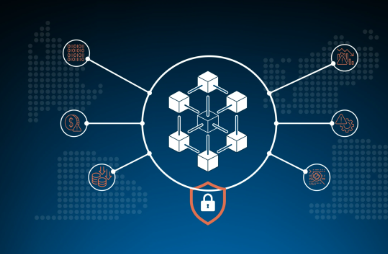

DeFi platforms operate by replacing banks with programmable smart contracts and open protocols. They rely on over-collateralized loans, real-time oracles, and automated liquidations to manage risk without centralized intermediaries. Trading and earning occur through decentralized exchanges, liquidity pools, and token mechanics, all governed by code and token-weighted votes. The system emphasizes transparency, audits, and security best practices, yet unseen risks persist. The balance between automation and governance invites further scrutiny and scrutiny now.
What DeFi Is and Why It Works Without Banks
DeFi, or decentralized finance, refers to financial services built atop blockchain technology that operate without centralized intermediaries like banks.
It enables programmable assets, transparent protocols, and permissionless participation.
Decentralized governance steers protocol updates through token-weighted voting, while cross chain bridges connect disparate networks, expanding liquidity.
This architecture reduces counterparty risk, increases resilience, and aligns incentives with user freedom, leveraging verifiable code and open-source collaboration.
Core DeFi Mechanisms: Over-Collateralized Loans, Oracles, and Liquidations
A concise examination of core DeFi mechanisms reveals how protocols secure value through over-collateralized loans, real-time price feeds via oracles, and automated liquidations.
The architecture enables trustless trading by removing intermediaries, relying on collateralization, objective data feeds, and programmable risk parameters.
Systems monitor margins, trigger liquidations, and rebalance positions automatically, fostering transparent, resilient, and freedom-forward financial automation: concise, data-driven, scalable.
Trustless Trading and Earning: DEXes, Liquidity Pools, and Token Mechanics
Can trustless trading and earning truly scale across diverse markets, or do liquidity and mechanics impose tradeoffs? In DEXes, liquidity pools balance impermanence and fees, while token mechanics govern incentives and emission schedules. Liquidity mining aligns participation with demand signals, yet volatility persists. Token emission shapes long-term value capture, influencing capital cycles and platform resilience for freedom-loving traders and developers.
Stay Safe and Start DeFi: Risks, Regulation, and Practical Steps
Growing awareness of risk and regulation is shaping how decentralized finance (DeFi) can scale from theory to practical use across diverse markets.
The analysis emphasizes prudent onboarding: securing wallets, auditing contracts, and understanding cross chain bridges and decentralized governance.
Regulators favor transparency, while builders optimize security models, incident response, and user education to empower freedom without compromising systemic integrity.
See also: Essential Cryptocurrency Safety Practices for Beginners
Conclusion
In a world where banks vanish, DeFi promises instant liquidity and perfect transparency, yet reality remains a dataset: audits, risk metrics, and constant updates. The irony isn’t that code can replace decades of trust, but that trust must now be allocated in smart contracts and oracles rather than people. The tech-savvy investor reads risk dashboards like weather reports, plotting floods of liquidity and floods of volatility, all while regulators whisper about the next weather warning.