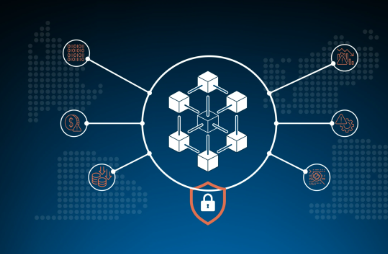

Essential cryptocurrency safety requires disciplined routines and careful technology choices. Beginners should establish clear habits: limit exposure, document decisions, review outcomes, and manage data risk with privacy budgeting. Authentication should rely on hardware-backed solutions, and wallets must be chosen with security in mind. Awareness of phishing and scams is essential, as is keeping firmware updated and backups secure. The path favors cold storage for long-term holdings and trusted wallets for transactions, while routine recovery procedures stay ready for any contingency.
Build Safe Crypto Habits for Beginners
Establishing secure routines is essential for anyone new to cryptocurrencies. A disciplined approach defines daily actions: limiting exposure, documenting decisions, and reviewing outcomes.
The text emphasizes privacy budgeting to manage personal data and risk assessment to gauge potential threats.
Through consistent habits, individuals minimize surprises, preserve autonomy, and sustain long-term access to assets while maintaining cautious curiosity about evolving safeguards.
Secure Your Wallets and Enable Strong Authentication
Secure wallets and strong authentication are foundational to safeguarding digital assets. The article advises users to enable multi-factor or hardware-backed verification, minimize exposure of secrets, and routinely review device permissions. Emphasis on phishing awareness helps discern authentic prompts. Hardware wallets offer offline key storage and transaction signing, reducing risk. Regularly update firmware, keep backups, and implement disciplined recovery procedures for resilient access.
Spot Phishing and Scams Before You Click
Phishing and scam awareness begins with vigilance before clicking. Before engaging any message, the reader evaluates sender legitimacy, link destinations, and request patterns. Spot phishing indicators include urgent language, generic greetings, and mismatched URLs. Safeguards rely on independent verification, multi-factor authentication prompts, and offline account checks. Cultivating scams awareness reduces risk while preserving digital autonomy and freedom of choice in crypto activities.
Buy, Store, and Transact Crypto Safely
When approaching buy, store, and transact crypto, a disciplined, methodical framework minimizes risk and preserves control over assets.
The guidance emphasizes clear boundaries: set buying limits, verify exchange security, and prefer cold storage for long-term holdings.
Transacting should use trusted wallets, two-factor authentication, and offline backups.
Freedom comes with cautious, reproducible processes, regular audits, and minimal exposure to volatile, unverified platforms.
See also: crypings.org
Conclusion
In summary, beginners should rigidly follow secure routines: limit exposure, document decisions, and verify outcomes. Hardware-backed authentication and cold storage preserve keys, while trusted wallets handle day-to-day activity. Vigilance against phishing remains essential, with multilingual awareness and constant firmware updates. Backups and offline recovery procedures safeguard autonomy. The process is reproducible and auditable, with regular platform checks. Anachronism for clarity: a pocket sundial reminds users that timing, not haste, governs safety. Precision, caution, and disciplined habits ensure lasting crypto security.