
A well-maintained roof is essential for protecting a property from rain, strong winds, changing temperatures and other environmental conditions. Over time, however, roofing materials can deteriorate due to regular exposure to the elements, ageing components, poor installation or unexpected storm damage. Even a minor roofing issue can develop into a more serious problem if it is not identified and addressed promptly.
For homeowners, finding the right roofing professional is an important part of maintaining a safe and functional property. Whether the roof has developed a leak, several tiles have become damaged or metal sheets have started showing signs of deterioration, choosing an appropriate repair solution can help prevent further damage.
When considering roof repairs in Newcastle, property owners should look beyond immediate repair costs and evaluate factors such as workmanship, material suitability, inspection methods and long-term performance. Understanding what to consider before arranging roofing work can make the entire process easier and help homeowners make informed decisions.
1. Identify the Roofing Problem Before Arranging Repairs
The first step towards resolving a roofing issue is understanding what has caused it. Different roofing problems require different repair approaches, and treating only the visible damage may not address the underlying cause.
For example, a ceiling stain may indicate water entering through damaged flashing, cracked tiles or deteriorated roofing connections. Similarly, water overflowing from the roofline may be related to blocked gutters rather than a defect in the roof covering.
Common Roofing Problems to Look For
Homeowners should pay attention to the following warning signs:
- Missing, cracked or displaced roof tiles.
- Water stains appearing on ceilings or internal walls.
- Rust patches or corrosion on metal roofing sheets.
- Loose flashing around chimneys and roof penetrations.
- Sagging roof sections or visible structural deterioration.
- Damaged ridge capping and deteriorating roof joints.
- Water overflowing from gutters during rainfall.
Identifying these signs early allows roofing professionals to investigate the problem and recommend suitable repairs before the damage spreads.
2. Check the Roofer’s Experience and Technical Knowledge
Roofing systems involve different materials, installation methods and structural requirements. A professional who regularly works with tiled roofs may approach certain repairs differently from someone specialising in metal roofing.
Before selecting a contractor, homeowners should consider their experience with the particular roofing system installed on the property.
Why Relevant Experience Matters
An experienced roofing professional should understand:
- Different roofing materials and their maintenance requirements.
- Common causes of roof leaks and water penetration.
- Correct installation methods for tiles and metal sheets.
- Flashing, ventilation and roof drainage systems.
- Appropriate repair techniques for weather-related damage.
This knowledge helps ensure that repairs address the actual problem rather than providing a temporary solution.
It is also worth asking whether the contractor has handled similar residential or commercial roofing projects.
3. Understand the Scope of Work Included in the Quote
Before approving any roofing project, homeowners should understand exactly what the proposed repair work involves. A detailed quotation makes it easier to compare contractors and avoid confusion about the services being provided.
A professional quote should explain the identified problem, recommended repair method, materials required and expected labour costs.
What Should a Roofing Quote Include?
Look for clear information about:
- Inspection findings: Details of the damage identified during the assessment.
- Repair requirements: An explanation of the work needed to resolve the problem.
- Material specifications: The type and quality of roofing materials being used.
- Labour charges: Costs associated with completing the repair.
- Additional expenses: Any potential costs involving replacement components or access equipment.
- Workmanship coverage: Information about applicable repair warranties or guarantees.
When comparing quotations, avoid making a decision based entirely on the lowest price. A cheaper option may not include essential repairs or suitable materials.
4. Consider the Quality of Roofing Materials
The materials used during repairs have a direct influence on how well the roof performs after the work is completed. Choosing unsuitable or low-quality products may lead to premature deterioration and repeated maintenance.
Newcastle properties can experience changing weather conditions, including rainfall, strong winds and coastal moisture. Therefore, roofing materials should be appropriate for the property’s location and environmental exposure.
Important Material Considerations
For tiled roofs: Replacement tiles should match the existing roofing system in terms of size, profile and compatibility.
For metal roofs: Materials should have suitable corrosion resistance and protective coatings, particularly for properties exposed to coastal conditions.
For flashing and sealants: These components should be designed for their intended roofing applications and environmental exposure.
Using compatible materials helps maintain the roof’s overall performance and reduces the possibility of problems developing around repaired sections.
5. Look for Proper Roof Inspection Practices
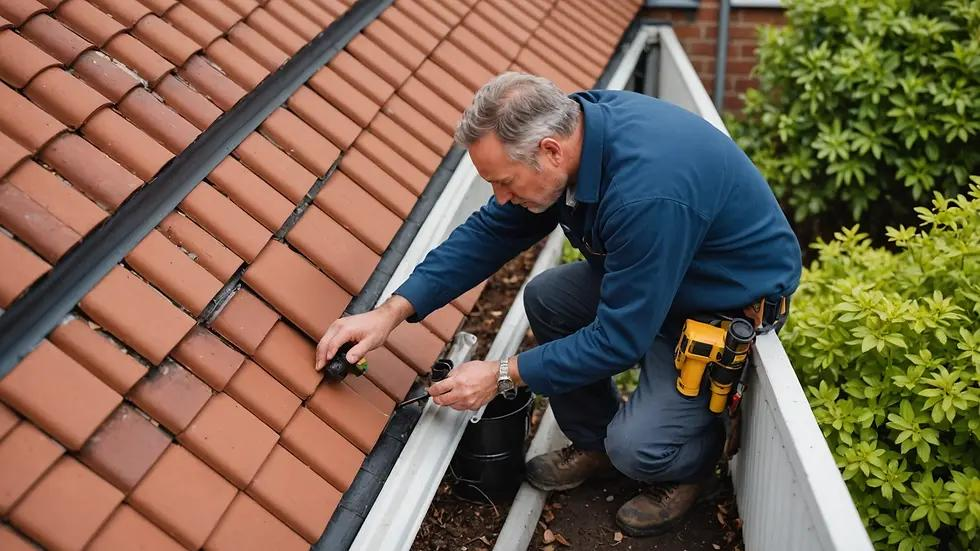
A reliable repair process should begin with an appropriate inspection. Simply replacing a damaged tile or applying sealant without examining the surrounding area may leave the original cause unresolved.
A thorough inspection helps determine whether the issue is isolated or part of a larger roofing problem.
Areas That Should Be Examined
Depending on the roof design, an inspection may include:
- Roof coverings, including tiles and metal sheets.
- Flashing around chimneys, vents and other openings.
- Ridge caps, valleys and roof intersections.
- Gutters, downpipes and drainage connections.
- Visible roof supports and structural components.
- Signs of moisture penetration within accessible roof spaces.
Professional inspections also help identify defects that may not be immediately visible from the ground.
Homeowners should avoid climbing onto roofs themselves, particularly when surfaces are wet, damaged or unstable.
6. Check Licensing, Insurance and Workmanship Standards
Before hiring a roofing contractor, it is important to check whether they meet the applicable licensing, insurance and regulatory requirements for the work being undertaken.
Requirements can vary depending on the type and value of the project. Homeowners should confirm the relevant requirements in New South Wales before entering into an agreement.
Important Checks Before Hiring
- Verify any required contractor licence.
- Ask for evidence of appropriate public liability insurance.
- Confirm that workers have suitable safety arrangements.
- Request information about previous roofing projects.
- Review written workmanship warranties where available.
- Ensure the agreed work is documented clearly.
These checks help homeowners make more informed decisions and reduce uncertainty throughout the repair process.
7. Understand How Newcastle’s Weather Can Affect Roofing Repairs
Local environmental conditions are another important factor when planning roofing work. Rainfall, wind exposure and coastal moisture can influence both the condition of existing roofing materials and the selection of replacement components.
For example, properties closer to the coastline may experience greater exposure to airborne salt, which can contribute to corrosion in susceptible metal components.
Similarly, strong winds can loosen roofing materials, while heavy rainfall may expose weaknesses around flashing, valleys and gutter connections.
Why Local Conditions Matter
A suitable repair approach should consider:
- The property’s exposure to coastal moisture.
- The type and age of existing roofing materials.
- Local rainfall and wind conditions.
- Roof drainage and ventilation requirements.
- The likelihood of recurring weather-related damage.
When arranging roof repairs in Newcastle, homeowners should look for solutions that address the property’s actual environmental conditions rather than relying on generic repair methods.
8. Ask About Repair Timeframes and Safety Procedures
Roof repair projects can vary significantly in duration depending on the extent of the damage, roof accessibility, material availability and weather conditions.
A small repair involving a few damaged tiles may take considerably less time than extensive work involving structural components or multiple roof sections.
Before work begins, ask the contractor about the expected schedule and any factors that could cause delays.
Important Questions to Ask
- When can the repair work begin?
- How long is the project expected to take?
- Will temporary protection be required if rain is expected?
- What safety measures will be used?
- Will the surrounding property need preparation?
- How will the completed work be inspected?
Clear communication helps homeowners understand what to expect and prepare their property accordingly.
9. Consider Long-Term Maintenance After Repairs
Completing a roofing repair does not mean that future maintenance can be ignored. Regular inspections help homeowners monitor the condition of repaired sections and identify new problems before they become serious.
A simple maintenance routine can make a difference to the lifespan and performance of the roofing system.
Some useful practices include:
- Checking for visible roof damage after severe weather.
- Keeping gutters and downpipes free from debris.
- Monitoring ceilings for signs of water penetration.
- Inspecting accessible roof areas for moisture-related problems.
- Arranging professional assessments when unusual changes appear.
The frequency of inspections depends on the roofing material, property location, roof age and surrounding environment.
Conclusion
Finding a suitable roofing professional involves more than comparing prices or choosing the first available contractor. Homeowners should consider technical experience, material quality, inspection methods, licensing, insurance and the overall scope of the proposed work.
When planning roof repairs in Newcastle, understanding the property’s roofing problems and local environmental conditions can help ensure that the recommended solutions are appropriate and reliable.
By choosing suitable materials, prioritising proper workmanship and maintaining the roof after repairs, property owners can reduce the risk of recurring problems and improve long-term protection. Taking the time to evaluate these factors helps maintain a functional roofing system and supports the overall condition of the property.