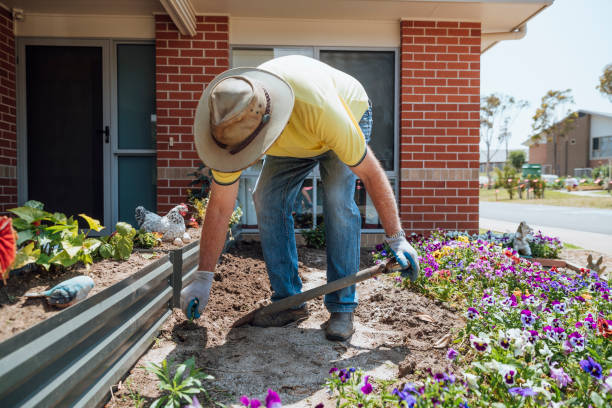

A beautiful, healthy lawn can transform an outdoor space into a comfortable and attractive area for relaxation, entertainment, and everyday activities. However, achieving a lush green lawn involves more than simply laying turf or spreading grass seed. Proper garden preparation is one of the most important steps in creating a lawn that grows evenly, develops strong roots, and remains healthy throughout the year. Sydney’s changing weather conditions, soil variations, and different garden environments make preparation particularly important.
A successful lawn installation in Sydney begins with proper garden preparation to ensure the grass can grow in healthy and suitable conditions. The process involves clearing the area, improving soil quality, levelling the ground, and ensuring adequate drainage. Preparing the site correctly before laying the grass encourages strong root development, supports even growth, and helps create a durable lawn that is easier to maintain over time.
1. Assess Your Garden Before Starting
Before beginning any preparation work, carefully examine your garden to understand its current condition. Every outdoor space has different requirements depending on its size, soil type, sunlight exposure, and existing landscape features.
Check the Existing Ground Conditions
Walk around the garden and identify areas with uneven surfaces, compacted soil, exposed tree roots, rocks, or existing vegetation. These conditions can affect how successfully new grass establishes itself.
Pay particular attention to low-lying areas where water collects after rainfall. Such locations may require additional drainage improvements before installation begins.
Understand Sunlight Exposure
Grass requires an appropriate amount of sunlight to grow properly. Observe how sunlight moves across your garden throughout the day and identify shaded sections.
Some grass varieties tolerate partial shade, while others perform better in open, sunny spaces. Understanding these conditions will help you select a suitable grass type for your garden.
2. Remove Existing Grass, Weeds, and Debris
Preparing a clean surface is essential for establishing a healthy new lawn. Existing weeds, unwanted vegetation, and garden debris can compete with new grass for nutrients, moisture, and growing space.
Clear Unwanted Vegetation
Remove existing weeds, unwanted grass, dead plants, and other vegetation from the installation area. For larger gardens, mechanical removal may be more efficient than clearing everything manually.
Make sure invasive weeds are properly removed, including their roots where practical. Leaving established weed roots behind can encourage regrowth and create problems for the new lawn.
Remove Stones and Garden Waste
Collect rocks, branches, building materials, old roots, and other debris from the ground. These objects can interfere with soil preparation and prevent the lawn surface from becoming smooth.
A clean installation area provides a better foundation for laying turf or establishing grass from seed.
3. Evaluate and Improve Soil Quality
Healthy soil is essential for strong root development and long-term lawn performance. Even when the garden looks suitable on the surface, the underlying soil may lack the nutrients, structure, or drainage capacity required for healthy grass.
Test the Soil
Consider conducting a soil test to understand its pH level and nutrient composition. Soil testing can identify whether the ground is too acidic, too alkaline, or lacking essential nutrients.
Most common lawn grasses grow well in slightly acidic to neutral soil, although ideal conditions vary depending on the grass variety.
Improve Soil Structure
Sydney gardens can contain different soil types, including sandy, clay-based, and loamy soils. Each type requires a slightly different preparation approach.
- Clay soil: Improve its structure with suitable organic matter to support better aeration and drainage.
- Sandy soil: Incorporate appropriate organic material to improve moisture and nutrient retention.
- Loamy soil: Maintain its natural balance while adding nutrients when required.
Avoid adding materials without understanding the existing soil conditions. Excessive amendments can sometimes create additional growing problems.
4. Prepare the Ground for Proper Drainage
Good drainage is one of the most important factors in maintaining a healthy lawn. Excess water can cause root damage, encourage fungal diseases, and create muddy patches.
Identify Drainage Problems
After rainfall or watering, observe how quickly water disappears from different areas of your garden. Persistent puddles may indicate compacted soil, poor grading, or an underlying drainage issue.
Areas that remain wet for extended periods should be investigated before installing grass.
Create a Suitable Ground Slope
The garden surface should generally have a gentle slope that allows water to move away from buildings and other structures.
Avoid creating steep slopes that may encourage soil erosion or make lawn maintenance difficult. Where drainage problems are significant, professional assessment may be necessary to determine an appropriate solution.
5. Level the Garden Surface
A smooth, even surface improves the appearance of a finished lawn and makes mowing, watering, and general maintenance easier.
Remove High and Low Spots
Identify raised areas and shallow depressions across the garden. Remove excess soil from higher sections and use suitable topsoil to fill lower areas.
Work gradually rather than making major changes all at once. This helps maintain a consistent surface and prevents unnecessary soil disturbance.
Create a Firm Foundation
Once the ground has been levelled, lightly firm the soil to create a stable foundation. Avoid excessive compaction because grass roots need sufficient air circulation and space to develop.
The prepared surface should be even, slightly firm, and free from loose debris.
6. Add Suitable Topsoil and Organic Matter
Topsoil provides the growing environment that grass needs to establish healthy roots. If the existing ground is shallow, poor quality, or heavily disturbed, adding suitable topsoil can improve growing conditions.
Choose Quality Topsoil
Select clean, screened topsoil that is appropriate for lawn establishment. It should have a suitable texture, good drainage characteristics, and enough organic content to support plant growth.
Avoid soil containing excessive stones, weeds, construction waste, or other unwanted materials.
Incorporate Organic Matter
Compost and other suitable organic materials can help improve soil structure and support beneficial soil organisms.
Use organic matter in appropriate quantities and mix it evenly into the prepared soil. This can improve moisture management and provide a better environment for developing grass roots.
7. Select the Right Grass Variety for Sydney’s Climate
Choosing suitable grass is just as important as preparing the garden. Sydney experiences warm summers, relatively mild winters, and varying rainfall patterns. Therefore, grass selection should consider local weather conditions and the specific characteristics of your outdoor space.
Consider Warm-Season Grass Varieties
Warm-season grasses are commonly used in Sydney because many varieties tolerate heat and can recover well from regular use.
Popular options include:
- Buffalo grass: Often selected for its soft texture and ability to tolerate some shade, depending on the variety.
- Couch grass: Suitable for sunny areas and known for its ability to recover from regular activity.
- Kikuyu grass: A vigorous-growing option that can establish quickly and tolerate heavy use.
Match Grass to Your Lifestyle
Think about how you intend to use your lawn. Families with children or pets may require a durable variety that can withstand frequent activity.
If your garden has shaded sections, consider a grass variety with suitable shade tolerance. Choosing grass according to the garden’s conditions can reduce maintenance difficulties later.
8. Prepare Irrigation and Watering Arrangements
Newly installed grass requires consistent moisture while its roots become established. Planning your watering arrangements before installation can make the establishment process much easier.
Check Existing Irrigation Systems
Inspect garden hoses, sprinklers, and irrigation equipment to ensure they operate correctly. Make sure water can reach all sections of the lawn without leaving dry or excessively wet patches.
If you plan to install an automatic irrigation system, consider completing the necessary work before laying turf.
Understand Watering Requirements
New turf generally needs more frequent watering initially than an established lawn. The objective is to keep the underlying soil and developing roots sufficiently moist without creating waterlogged conditions.
Adjust watering according to rainfall, temperature, soil type, and grass variety. During Sydney’s warmer months, monitoring moisture levels is particularly important.
9. Check Garden Edges and Surrounding Features
Before installing the lawn, inspect the areas surrounding the prepared ground. Garden borders, pathways, fences, retaining walls, and paving can influence the final lawn layout.

Establish Clear Lawn Boundaries
Decide where the lawn will begin and end. Clearly defined edges create a more organised appearance and make future maintenance easier.
Consider how the lawn will connect with garden beds, outdoor entertainment areas, and existing pathways.
Protect Underground Services
Before digging, levelling, or undertaking excavation work, identify underground pipes, electrical cables, irrigation lines, and other services.
Taking these precautions helps prevent accidental damage and makes the preparation process safer.
10. Complete a Final Inspection Before Installation
Once all preparation work is finished, inspect the garden carefully before laying turf or sowing grass seed.
Check that the surface is level, drainage is satisfactory, weeds have been removed, and the soil is suitable for planting.
Remove any remaining stones, sticks, or unwanted materials. Confirm that irrigation equipment is ready and that the installation area has enough suitable soil to support healthy root development.
Completing this final inspection can help identify problems before they become more difficult or expensive to correct.
Common Garden Preparation Mistakes to Avoid
Even a well-planned lawn project can encounter problems when important preparation steps are overlooked. Avoiding common mistakes can improve the final outcome.
Some frequent mistakes include:
- Installing turf over compacted or poorly prepared soil.
- Ignoring existing drainage problems.
- Choosing grass that does not suit the garden’s sunlight conditions.
- Leaving weeds and unwanted vegetation in the installation area.
- Using poor-quality topsoil.
- Failing to level the surface before installation.
- Overlooking underground services during excavation.
- Neglecting watering arrangements after installation.
Addressing these issues before installation can help create a healthier and more attractive lawn.
Conclusion
Preparing your garden properly is the foundation of a successful lawn installation. From assessing existing ground conditions and removing unwanted vegetation to improving soil quality, managing drainage, and selecting suitable grass, each step plays an important role in achieving a beautiful outdoor space.
Sydney’s climate and varied garden conditions make careful planning especially valuable. By understanding your garden’s specific requirements and completing the necessary preparation work, you can create an environment where grass establishes successfully and remains healthy over time.
A well-prepared garden not only improves the appearance of your outdoor area but also makes future lawn maintenance easier. Investing time and effort in preparation before installation can deliver lasting benefits and help you enjoy a greener, more functional garden throughout the year.